

Nepal is a small country, but walking her feels very big. Mountains are high, trails are old, and villages are quiet but strong. Trekking in Nepal is not only walking up and down. It is feeling the land, breathing thin air, and understanding life in a mountain way. Many people come for one trek, but Nepal has many grand trekking circuits that show different faces of the Himalayas. Some are famous, some are hidden, some are hard, and some are gentle. All are beautiful in their own way.
This article explains Nepal’s grand trekking circuits clearly, slowly, and honestly. Annapurna Base Camp Trek, Langtang Valley Trek, Manaslu Circuit Trek, and Nar Phu Valley Trek. Each trek has its own story, its own land, and its own challenge. Walking them changes people.
Understanding Trekking Circuits in Nepal
A trekking circuit means a long walking route that moves from village to village, valley to valley, sometimes crossing high passes, sometimes entering deep forests. It is not just one straight line. It is a journey that feels complete. Nepal is the best country for this kind of trekking because trails have existed for hundreds of years. People used them for trade, for moving animals, and for visiting family.
Modern trekkers now follow the same paths. Tea houses, lodges, prayer flags, mani walls, rivers, and bridges. Everything connects. When people talk about grand trekking circuits, they talk about routes that give a full mountain experience. Nature, culture, difficulty, reward. Nepal has many, but these four are very special.
Read More:How to Maximize Benefits with a Professional Employer Organization
Annapurna Base Camp Trek – Walking Into a Mountain Bowl
The Annapurna Base Camp Trek is one of the most loved treks in Nepal. It is not the longest, not the hardest, but very complete. The trail starts low with green forest and warm villages. Slowly it goes higher. Bamboo forest, rhododendron trees, stone houses, smiling faces. Everything feels balanced.
Walking to Annapurna Base Camp feels like entering a mountain bowl. Big peaks surround you from all sides. Annapurna I, Machhapuchhre, and Hiunchuli. Snow everywhere. Silence becomes heavy but peaceful. People often feel emotional here without knowing why.
This trek is good for first-time trekkers and also for experienced walkers. It gives a strong mountain feeling without extreme danger. Accommodation is comfortable. Food is simple but filling. The trail is busy but still friendly. Many people walk together, but each has their own thoughts.
The Annapurna Base Camp Trek shows how Nepal mixes beauty with access. It is not the wildest, but it is very welcoming. That is why it remains grand.
Langtang Valley Trek – Close Mountains, Close Hearts
Langtang Valley Trek is quiet compared to Annapurna. It is closer to Kathmandu, but still feels far from city life. Road journeys are rough. Mountains appear suddenly. The valley is narrow. Peaks feel close, almost touching the sky above the head.
Langtang is special because culture is very alive. Tamang people live here. Their language, clothes, food, and lifestyle are different. Walking through villages feels personal. People greet you with a slow smile. Homes are simple. Life is not easy but strong.
The valley was hurt badly by an earthquake years ago. But people rebuild. Trails are open. Lodges are running. Walking here is not only trekking, it is also supporting recovery. Nature also changed, but beauty remained.
Langtang Lirung dominates the valley. Glaciers, yak pastures, prayer wheels. The trail is not too long, but the altitude can be challenging. Still, it is perfect for people who want both culture and mountains, without extreme crowds.
The Langtang Valley Trek feels honest. Nothing fake. Nothing rushed.
Manaslu Circuit Trek – The Wild Classic Route
The Manaslu Circuit Trek s for those who want raw Himalaya. It is long. It is remote. It is challenging. But it is very rewarding. This trek circles around Mount Manaslu, the eighth-highest mountain in the world. That alone makes it special.
The trail follows the Budhi Gandaki river for many days. Deep gorges, hanging bridges, and waterfalls crashing down. Villages are old. Houses made of stone and wood. People live a slow life here. Tibetan influence is strong. Prayer flags everywhere.
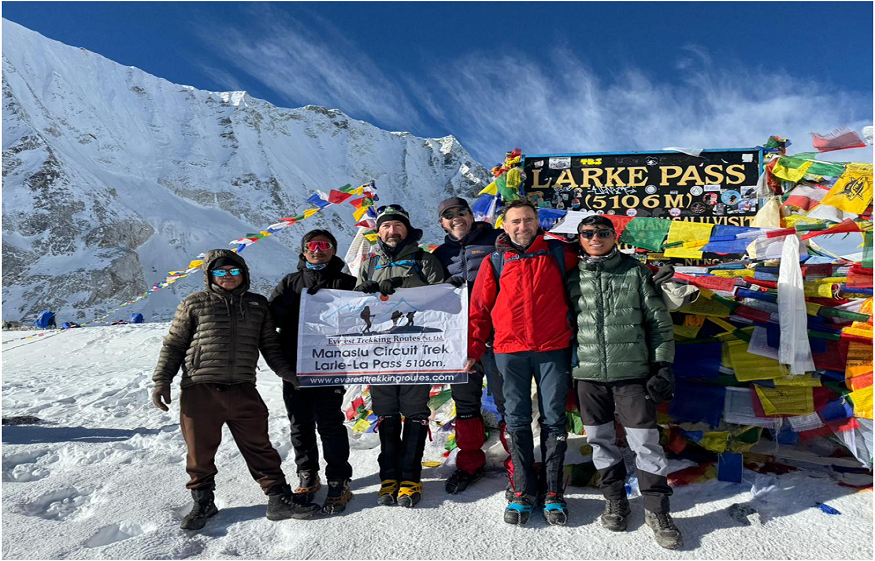
As altitude increases, landscapes change fast. Trees disappear. Land becomes dry and wide. Mountains feel harsh but powerful. Crossing Larke La Pass is the biggest challenge. Snow, wind, cold. The body feels weak, but the mind feels strong. When you cross, joy comes quietly.
The Manaslu Circuit Trek needs a special permit and guide. That keeps it less crowded. Walking here feels like the old days of trekking, before tourism became big. It is not easy, but it teaches patience.
This trek is grand because it demands respect.
Nar Phu Valley Trek—Hidden Kingdom Feeling
The Nar Phu Valley Trek is not for everyone. It is hidden. It is remote. It is less developed. But for adventure lovers, it is a dream. This trek takes you into two isolated valleys near the Annapurna region, but they are totally different worlds.
Villages of Nar and Phu look like time stopped. Stone houses stacked on hills. Narrow alleys. Ancient monasteries. People live with animals, not machines. Electricity is limited. The internet is weak or nonexistent. Silence is strong.
The trail is rough. Landslide areas. High altitude. Cold nights. But the scenery is unreal. Peaks rise suddenly. Valleys are wide and empty. Sky feels closer. Crossing Kang La Pass gives panoramic views that stay in mind forever.
The Nar Phu Valley Trek is cultural and adventurous. It is physically demanding and mentally deep. You walk not only on a trail but also into history.
This trek is grand because it is rare.
Comparing These Grand Trekking Circuits
All four treks are different, but all are great. The Annapurna Base Camp Trek is friendly and scenic. The Langtang Valley Trek is cultural and close. The Manaslu Circuit Trek is wild and classic. The Nar Phu Valley Trek is hidden and ancient.
Choosing one depends on time, fitness, and interest. Some want comfort. Some want a challenge. Some want culture. Some want silence. Nepal offers all of these in these circuits.
What connects them all is human feeling. Walking, breathing, struggling, smiling. That is trekking.
Best Time to Walk These Treks
Spring and autumn are the best seasons. From March to May, flowers bloom, and the weather is clear. From September to November, the sky is sharp, and the views are strong. Winter is cold but possible for some treks. Monsoon is risky but green.
Timing matters, but mindset matters more.
Physical and Mental Preparation
Trekking is not a race. The body needs time. Walking slowly is good. Drinking water is important. Listening to the guide is smart. Mental strength helps when the body is tired. These treks teach humility.
No one come same person back.
Why Nepal’s Grand Trekking Circuits Matter
These routes are not just tourism products. They are lifelines for villages. They preserve culture. They connect people. Walking them respectfully helps sustain mountain life.
Nepal’s grand trekking circuits explain not only geography but also humanity.
Conclusion – Walking Stories, Not Just Trails
Trekking in Nepal is not a perfect grammatical journey. It is broken breath, slow steps, heavy legs, and a full heart. The Annapurna Base Camp Trek, Langtang Valley Trek, Manaslu Circuit Trek, and Nar Phu Valley Trek all tell different stories. But each story stays with you a long time.
Read More:The Future of Recruitment in Dubai: Trends and Insights
Mountains don’t care who you are. But they teach you who you can be.
FAQs
1. Which trek is best for beginners?
The Annapurna Base Camp Trek is best for beginners with good fitness.
2. Which trek is least crowded?
The Nar Phu Valley Trek and the Manaslu Circuit Trek are the least crowded.
3. Do I need a guide for these treks?
Yes, a guide is required for Manaslu and Nar Phu and helpful for others.
4. Which trek has the strongest cultural experience?
Langtang Valley and Nar Phu Valley have very strong cultures.
5. How long do these treks take?
Annapurna and Langtang take around 7–12 days; Manaslu and Nar Phu take 14–20 days.
Contact Details
Company address: Everest Trekking Routes Pvt. Ltd.
16 Khumbu, Nayabazaar, Kathmandu, Nepal
Mobile: +977-9843467921 (Rabin)
Email: [email protected]